April 19, 2026
Did the Second Temple Exist? What Hosea 3:4-5 Actually Says
What Does Hosea 3:4-5 Actually Say?
4 For the children of Israel shall abide many days without a king, and without a prince, and without a sacrifice, and without an image, and without an ephod, and without teraphim:
5 Afterward shall the children of Israel return, and seek AO their God, and David their king; and shall fear AO and His goodness in the latter days. — Hosea 3:4–5
There are few passages in Scripture as devastating to Second Temple theology as Hosea 3:4–5.
Not because it is obscure. Not because it is symbolic. But because it is plain, chronological, and absolute. Read Cyrus the Great Deception for context on the illegitimacy of the Second Temple claim.
Hosea does not describe a cycle. He does not describe partial restoration. He does not describe a temporary interruption. He describes a single continuous condition that begins at one moment in history and remains in effect until the end.
The Six Things Israel Would Lose
Hosea 3:4 lists six things Israel would be without:
No king. No prince. No sacrifice. No image. No ephod. No teraphim.
This is total national and spiritual suspension. No monarchy. No priesthood. No temple service. No legitimate worship system at all.
In short: no king and no temple.
When Did This Condition Begin?
This condition begins when Zedekiah, the last king of Judah, was carried off to Babylon. When the First Temple was destroyed.
From that moment forward, Hosea says Israel would "abide many days" in this condition.
Not seventy years. Not a short exile. Many days.
And no king means no king.
If Hosea is correct, then Israel could not have had a legitimate king at any point after the Babylonian destruction.
Was David King When Israel Allegedly Returned Under Cyrus?
Ask the unavoidable question: was David king when the world claimed Israel returned under Cyrus?
No.
Zerubbabel is alleged to have reigned — but Zerubbabel means "sown in Babylon." So is Zechariah 4:9 symbolic language and future prophecy pointing to the Israelites sown in Babylon who will help David rebuild Jerusalem and the true second temple?
The hands of Zerubbabel have laid the foundation of this house; his hands shall also finish it; and you shall know that AO, Lord of hosts, has sent me unto you. — Zechariah 4:9
Why the Second Temple Cannot Be Legitimate
No sacrifice means no temple.
Hosea does not say Israel would lack these momentarily. He says without sacrifice and without priesthood for many days — until the end of time.
Which means no functioning altar. No legitimate priesthood. No divinely sanctioned temple.
This alone destroys the idea of a Second Temple.
If sacrifices resumed before Israel returns and serves David their king, Hosea is false. If Hosea is true, the Second Temple never existed as a house of AO.
Scripture cannot contradict itself.
What 2 Baruch Says About the Temple Vessels
The apocryphal testimony of 2 Baruch makes explicit what Hosea implies.
In 2 Baruch 6:3–10, the prophet is shown that before Jerusalem is destroyed, the sacred vessels of the Temple are swallowed by the earth — hidden away to be preserved until the end.
Not reused. Not restored early. Not transferred to heathen kings. Reserved.
For when?
For the time of restoration — when AO Himself restores His people.
3 And I saw him descend into the Holy of Holies, and take from thence the veil, and the Holy Ark, and the mercy seat, and the two tables, and the holy raiment of the priests, and the altar of incense, and the forty-eight precious stones, wherewith the priest was adorned and all the holy vessels of the Tabernacle.
4 And he spoke to the earth with a loud voice: "Earth, earth, earth, hear the Word of AO the Most High;
5 and receive what I commit to you;
6 and guard them until the last times.
7 So, that when you are ordered, you may restore them.
8 So that strangers may not get possession of them.
9 For the time comes when Jerusalem also will be delivered for a time. Until it is said that it is again restored forever."
10 And the earth opened its mouth and swallowed them up. — 2 Baruch 6:3–10
If the vessels are hidden until the end, then no Second Temple could be finished without them. A temple without the vessels is not the Temple of AO.
What Hosea Says We Are Actually Waiting For
Hosea tells us when restoration actually occurs:
Afterward shall the children of Israel return, and seek AO their God, and David their king . . . in the latter days. — Hosea 3:5
Not Zerubbabel. Not Cyrus. Not a descendant of David. David.
And not in antiquity. Hosea is explicit: in the latter days. See The Resurrection of King David and Deuteronomy 18:15 — The Prophet Like Moses for what is coming.
So ask the question the world refuses to answer. Did Israel seek AO after Cyrus, or continue to rebel? Did they return to covenant obedience or fall deeper into corruption? Did they serve David, or remain scattered in exile without a king?
The answers are obvious. The condition Hosea describes never ended. It continues to this very day.
Hosea Does Not Allow for a Partial Restoration
Hosea does not allow for a partial restoration, an interim temple, or a temporary return. Israel is cut off — without king, without temple, without sacrifice — until David returns.
There is no intermission. And that is precisely what the so-called Second Temple would have to be.
An age of exile. An age of darkness. An age of waiting.
Daniel Confirms What Hosea Declares
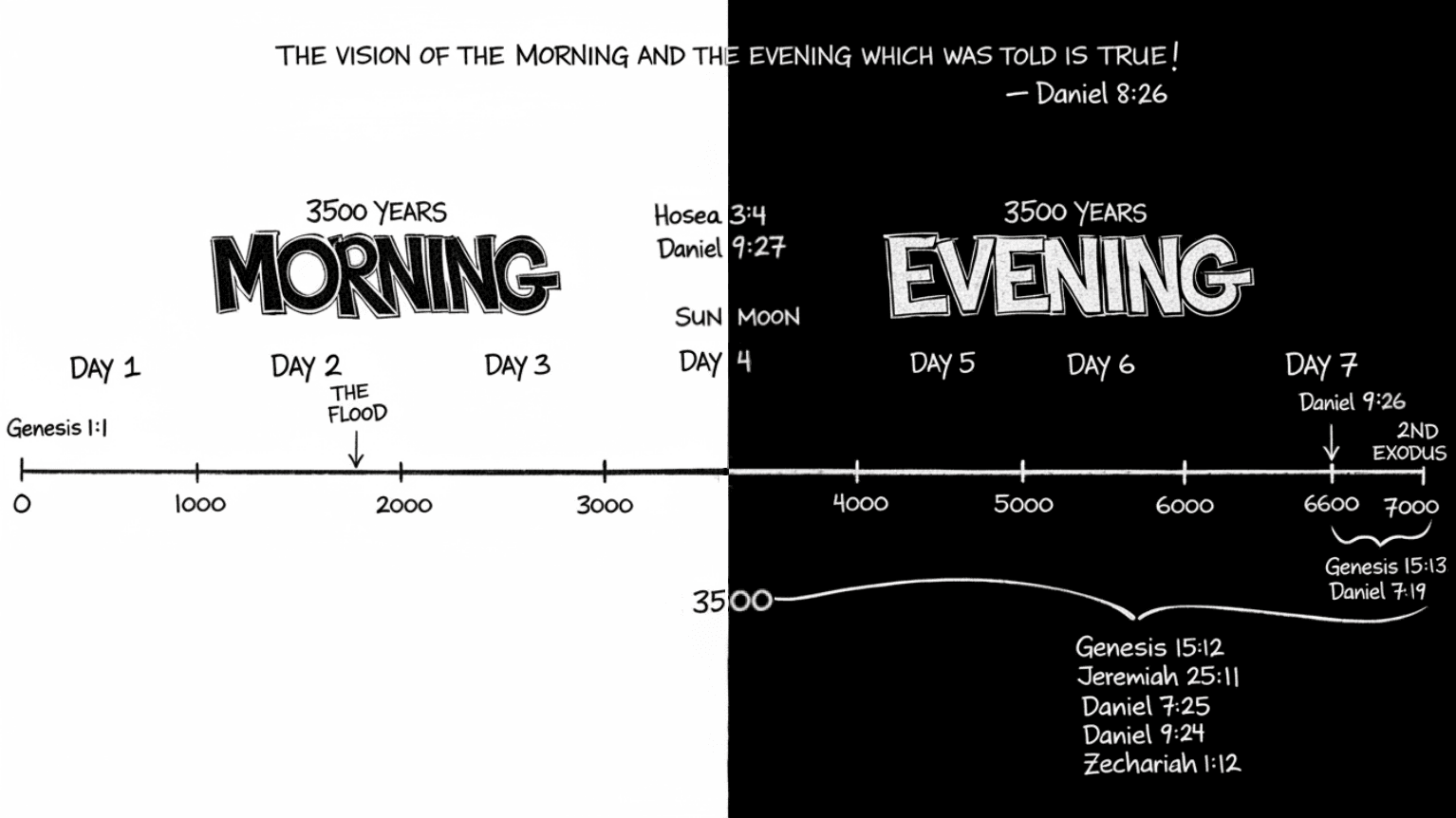
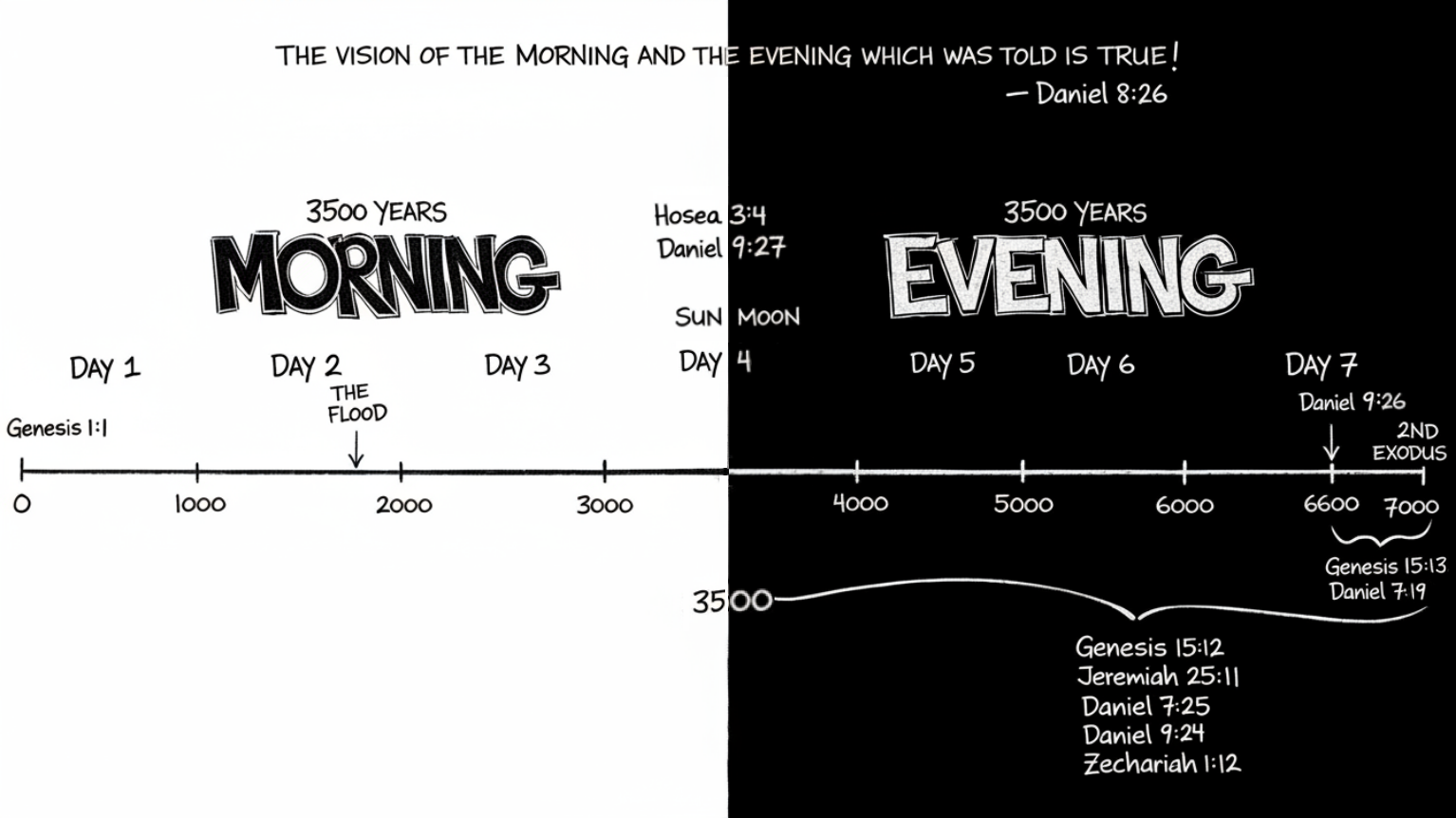
Daniel also confirms this in Daniel 9:27. The desolation is determined. It does not pause for a parenthetical temple.
Hosea 3:5 tells us what we are actually waiting for — and what has not yet happened.
Israel has not returned nationally. Israel has not sought AO in truth. David has not been restored to his throne.
Therefore the captivity has not ended. The temple has not been rebuilt. The promises have not been fulfilled.
Who Will Restore What Was Lost?
Which leads us directly to the next question this understanding forces us to ask.
If Israel has no king, who will they follow? If Babylon still holds Israel captive, who will deliver them? If Babylon must be destroyed, who will judge it with signs and wonders? If the people must obey, who will teach them the pure language? If the promised land is empty, who will shepherd back its people? If there is no temple, who will rebuild it?
The answer was given long ago by Moses in Deuteronomy 18:15.
Watch the Discussion
Continue Reading
April 18, 2026
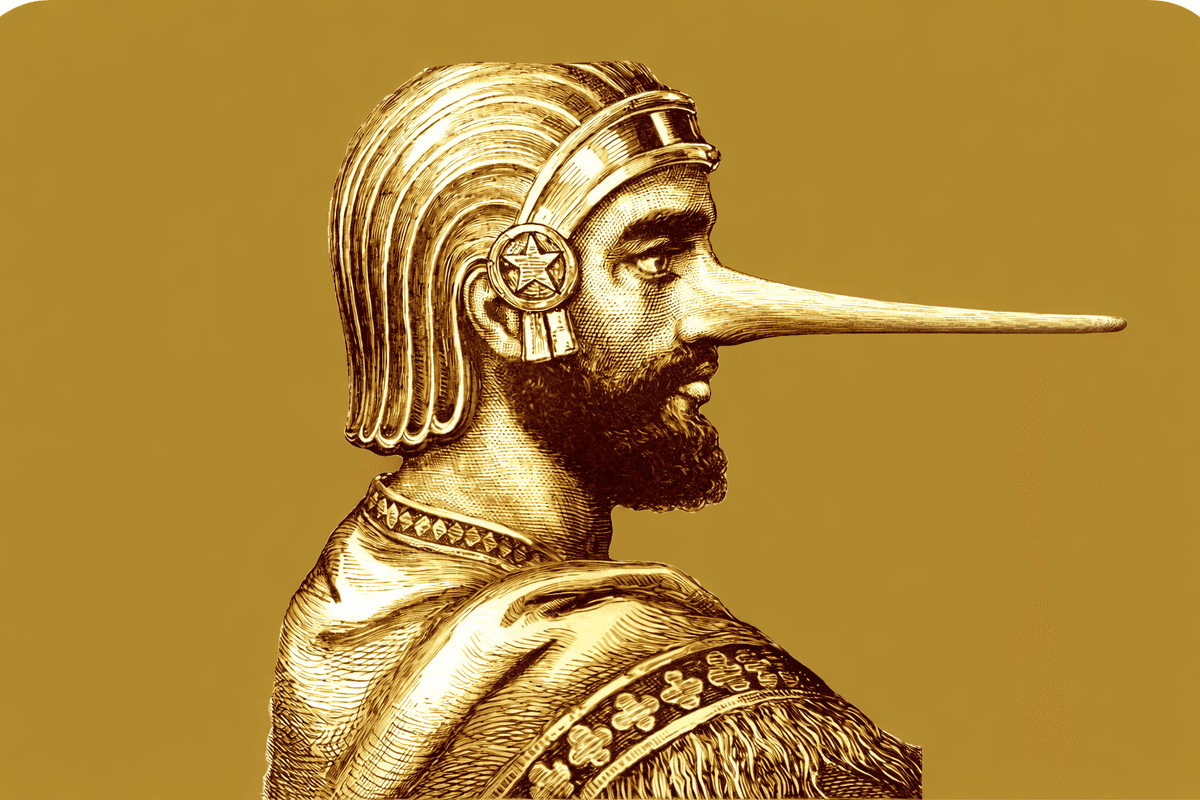
Cyrus the Great Deception: Why Isaiah's Anointed Shepherd Was Never a Persian King
Isaiah 44:28 names God's anointed shepherd who will rebuild Jerusalem. Every mainstream source says it's Cyrus. But Cyrus never kept Torah, never worshipped AO, and Babylon was never destroyed. What if the name was changed — and the captivity never ended?
April 20, 2026
Who Is the Prophet Like Moses in Deuteronomy 18:15? It's Not Who You Think
Who is the prophet like Moses in Deuteronomy 18:15? Christians claim Jesus. Others say Joshua. But four tests drawn directly from the text disqualify both candidates — and point to a fulfillment that has not yet come.

May 4, 2026
Ephraim Is My Helmet: The True Priesthood & Messiah Hidden in Plain Sight
Psalms 108:8 declares Ephraim is the strength of God's head — His helmet. If the helmet of salvation belongs to Ephraim, and David is of Joseph's lineage, then who is Levi? And what are the baker's and butler's dreams really about?
Discussion
Sign in or create a free account to join the discussion.
Loading comments…